
- A Step-by-Step Guide to Buying a Landed Property in Perak
Buying your first home is a huge milestone, but the legal and financial processes can feel overwhelming. If you are a first-time homebuyer looking at landed properties in Perak, understanding the roadmap ahead will save you time, stress, and money.
Here is a simplified, step-by-step guide to securing your dream home.
Step 1: Check Your Loan Eligibility (DSR)
Before falling in love with a property, you need to know what you can afford. Banks calculate your Debt Service Ratio (DSR) to determine your borrowing capacity. This is simply your total monthly debt commitments divided by your net monthly income.
- Pro Tip:Don’t guess your DSR. Reputable developer sales teams (like ours at Eadepro) can help you perform a quick, free loan eligibility check before you even place a booking fee.
Step 2: Pay the Booking Fee and Sign the SPA
Once you find the perfect home, you will pay an initial earnest deposit (booking fee) to secure the unit. Following this, you will sign the Sales and Purchase Agreement (SPA). This legal document outlines the terms, property details, and completion date.
Step 3: Secure Your Mortgage and Government Incentives
Take advantage of government initiatives. First-time homebuyers in Malaysia often qualify for full or partial stamp duty exemptions on the Instrument of Transfer (MOT) and loan agreements, depending on the property price. Furthermore, if you are buying an eco-friendly home (like those with built-in Solar PV), you can apply for special Green Home Financing from major banks, which offers lower interest rates and higher margin of financing.
Step 4: Wait for Completion and Key Collection
If you are buying an under-construction project (like a new launch in Klebang or Meru), you will pay your loan progressively based on the construction stages. Once the property receives its Certificate of Completion and Compliance (CCC), you will collect your keys and begin the exciting defect liability period (DLP) inspection!
- Understanding House Orientations: Why Lighting and Ventilation Matter
When browsing for a new home, most buyers focus on the number of bedrooms or the size of the kitchen. However, one of the most critical factors for daily comfort in Malaysia’s hot, tropical climate is often overlooked: house orientation and architectural design.
The North-South Advantage
In Malaysia, the sun rises in the east and sets in the west, moving slightly north or south depending on the time of year.
- If your home’s main living areas or master bedroom face directly East or West, you will experience intense morning glare or harsh afternoon heat (the “evening sun”), turning your house into an oven.
- North-South facing homes are highly sought after because they avoid direct sunlight, keeping the interior significantly cooler throughout the day while still allowing for plenty of ambient light.
The Role of High Ceilings and Natural Lighting
Even if a house is perfectly oriented, poor architectural design can trap heat. This is why Eadepro emphasizes high ceilings in our developments.
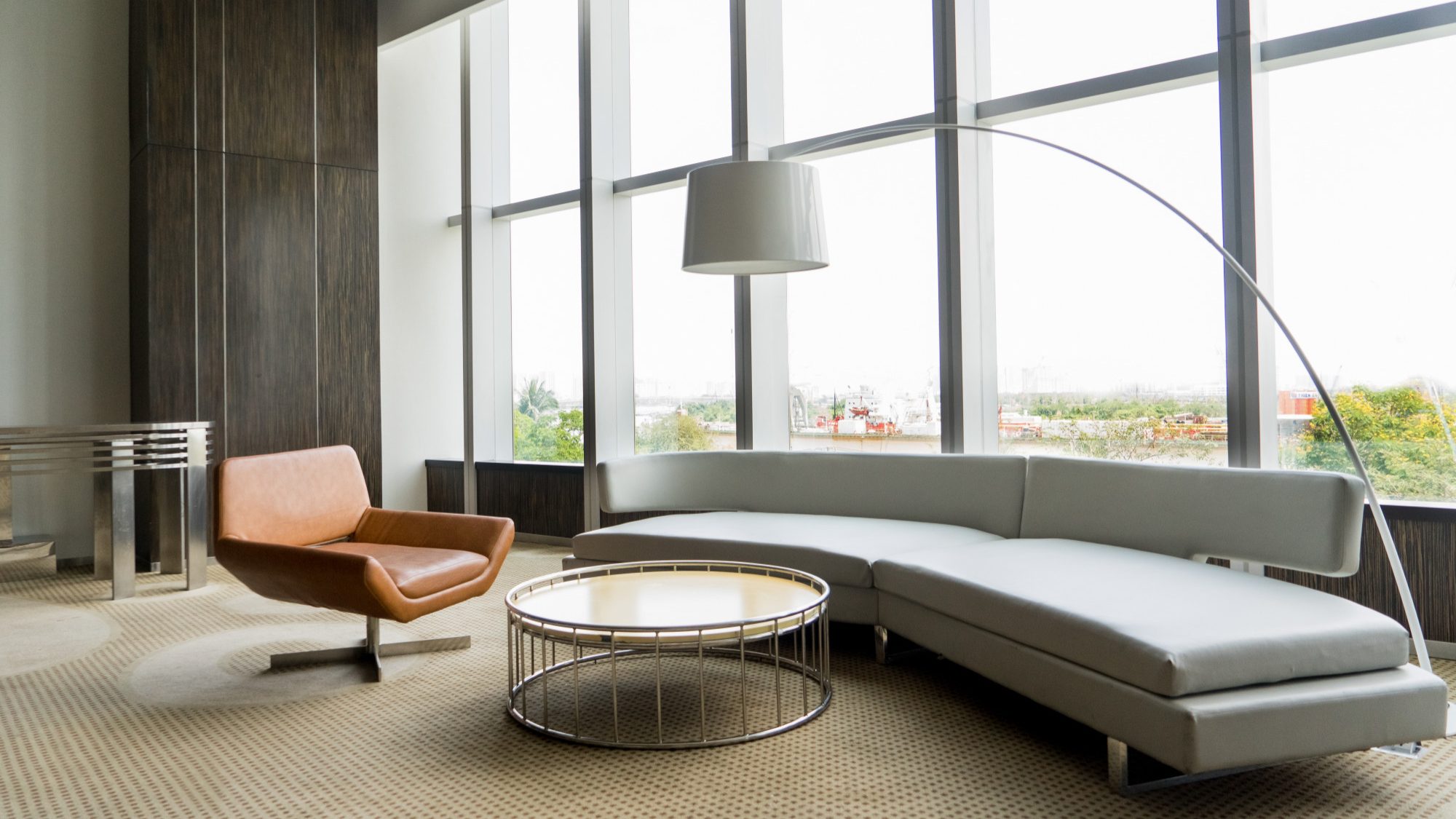
Hot air naturally rises. A high ceiling acts as a thermal buffer, drawing the heat up and away from your living space. Furthermore, higher ceilings allow for larger, taller windows. This maximizes natural daylight—meaning you won’t need to turn on your lights during the day—while promoting excellent cross-ventilation when the windows are open.
The Result: A Cooler, Greener Home
By combining smart North-South or optimized orientations with high ceilings, your home stays naturally cool. This drastically reduces your reliance on air conditioning. When paired with built-in Solar PV panels to handle any remaining electricity needs, you achieve a truly energy-efficient, eco-friendly lifestyle that saves you money every single month.
- New Launch vs. Completed Property: Which Should First-Time Buyers Choose?
For first-time homebuyers, the journey usually starts with one major crossroads: Should you buy a brand-new, under-construction property directly from a developer, or a completed “sub-sale” property from an existing owner?
Both options have their merits, but making the wrong choice can heavily impact your cash flow and lifestyle. Here is an honest look at the pros and cons of each to help you decide.
Option 1: The Completed Property (Sub-Sale)
Buying a completed home means purchasing from the secondary market. The house is already built, and the neighborhood is usually mature.
The Pros:
- What You See is What You Get:You can walk through the actual house, check the neighborhood vibe, and see the exact condition of the property.
- Immediate Move-In:Once the legal paperwork and bank loan are settled (which takes about 3 to 6 months), you can pack your bags and move in immediately.
The Cons:
- High Upfront Cash Required:Sub-sale properties often require significantly more cash upfront. You have to pay the 10% downpayment or more in cash, plus your own legal fees, stamp duties, and valuation fees.
- Hidden Wear and Tear:You are buying a used home. You might need to set aside thousands of Ringgit for unseen repairs like leaky roofs, outdated plumbing, or rewiring.
- Outdated Technology:Older homes were not built for modern living. They usually lack 3-phase wiring, meaning you will have to spend heavily to upgrade the electrical board if you want to install an EV charger or Solar PV panels.
Option 2: The New Property (Under Construction)
Buying a “new launch” means buying directly from a property developer while the project is still being built.
The Pros:
- Lower Initial Costs:Developers often absorb the legal fees, SPA, and stamp duty costs. Plus, you pay your mortgage progressively as the house is built, meaning your initial monthly payments are much lower.
- Brand New with Warranty:Everything is untouched. Plus, new homes come with a Defect Liability Period (DLP)—a warranty period where the developer is legally obligated to fix any structural defects for free.
- Modern, Forward-Thinking Layouts:New developments are designed for today’s lifestyle, featuring high ceilings, better ventilation, and integrated green technology.
The Cons:
- The Waiting Game:You have to wait 2 to 3 years for the project to be completed before you can move in.
- The “Bare Unit” Renovation Hassle:Most new homes are sold entirely bare. Once you get your keys, you still have to deal with the exhausting (and expensive) process of hiring contractors to install kitchen cabinets, wardrobes, and basic fittings before you can actually live there.
The Best of Both Worlds: Eadepro Approach
What if you could enjoy the financial perks and modern design of a new launch, without the exhausting renovation hassle of a bare unit?
At Eadepro, we recognized that the biggest pain point for first-time buyers is the transition period after getting the keys. That is why our new launches, like the Klemeru eco-friendly township, are designed to bridge this gap.
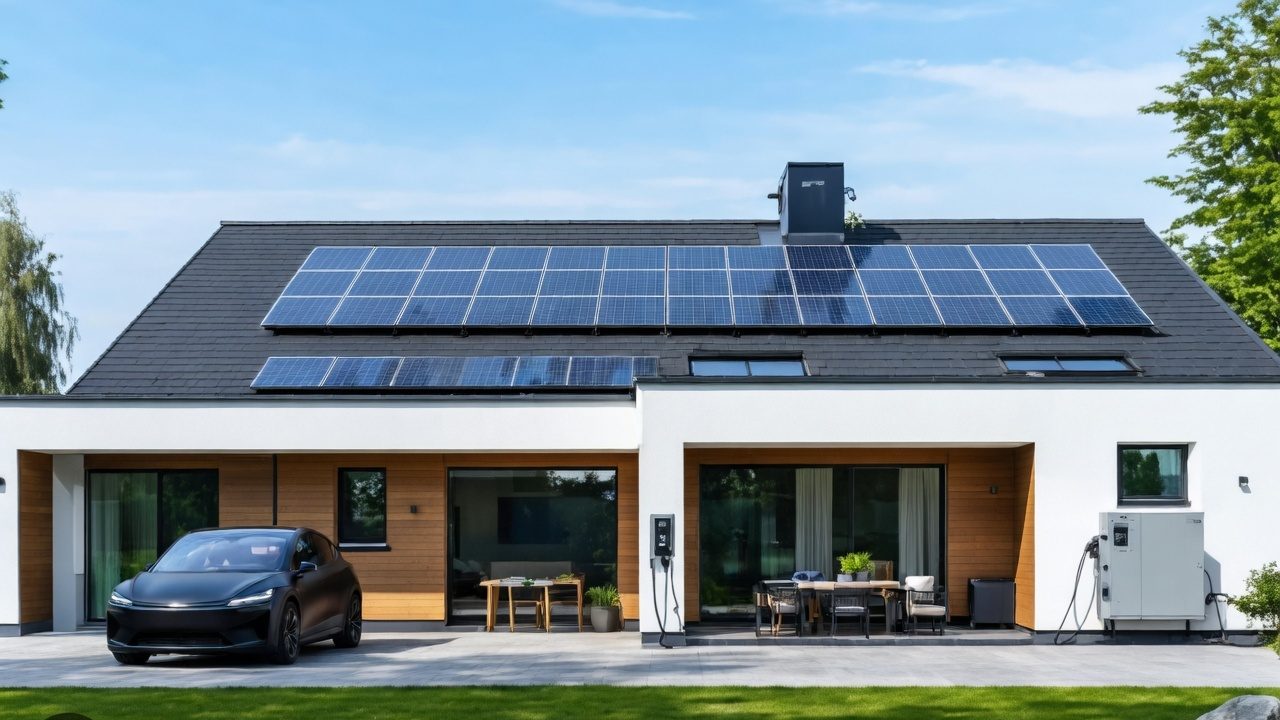
When you purchase an Eadepro home, you are not just getting a forward-thinking property equipped with built-in Solar PV panels, EV charging isolators, and high ceilings to reduce your carbon footprint and electricity bills. We also eliminate the stress of moving in by offering a complimentary Semi-Furnished package.
Instead of spending your first few months hunting for contractors and burning through your savings, your home comes pre-equipped with essential built-ins. It is the perfect hybrid: the structural peace of mind and green technology of a brand-new build, paired with the hassle-free, ready-to-live convenience of a completed home.